 OneTask
Published
How to work out your freelance hourly rate
Most new freelancers set their rate by taking a salary they would accept, dividing by the hours in a working year, and adding a bit. That number is almost always too low, because it assumes every hour you work is an hour someone pays for. It is not. This post walks through the four numbers that actually decide your rate, in the order you need them.
1. Start from the income you need, not the rate you have seen
Write down the pre-tax income you want to take home in a year. Be specific: this is salary equivalent, before tax, and it should include the value of things an employer used to cover, such as pension contributions, sick pay and holiday. If a salaried version of you would earn £55,000 with 25 days' leave and a 5% pension match, the freelance version needs more than £55,000 to stand still.
2. Count the hours you can actually bill
This is the step that sinks the naive calculation. A 40-hour week has 40 hours in it, but a freelancer spends a large share of them on work nobody pays for: proposals, invoicing, bookkeeping, learning, marketing, chasing late payers, and the gaps between projects. A realistic figure for an established freelancer is 60–70% of working time billable; in the first year it is often below 50%.
Take 52 weeks, subtract holiday, public holidays and a sensible allowance for sickness, then multiply the remaining weeks by your billable hours per week. The billable utilisation calculator does this arithmetic and shows what each unbillable hour is costing you, which is a useful thing to know before you agree to another "quick call".
3. Add your overheads
Everything the business pays for that a client never sees: software subscriptions, equipment, insurance, accountancy, a desk, a phone, training, travel to pitch meetings. Add them up for the year. Then spread that total across the billable hours from step 2, not across all hours, because billable hours are the only ones that bring money in. The business overhead rate calculator turns an annual overhead figure into a per-billable-hour surcharge, so you can see how much of every hour goes to keeping the lights on before you earn anything.
4. Put it together
Your rate is (target income + overheads) divided by billable hours, and then rounded up, not down. The freelance rate calculator does all four steps in one place: enter the income you want, your weeks off, your hours per week and an honest billable percentage, and it returns the hourly and day rate that get you there.
A worked example: £55,000 target, £6,000 overheads, 46 working weeks, 35 hours a week at 65% billable gives 1,047 billable hours and a rate of about £58 an hour, or £465 a day at eight hours. The naive £55,000 ÷ 2,080 method would have suggested £26.
Don't forget tax
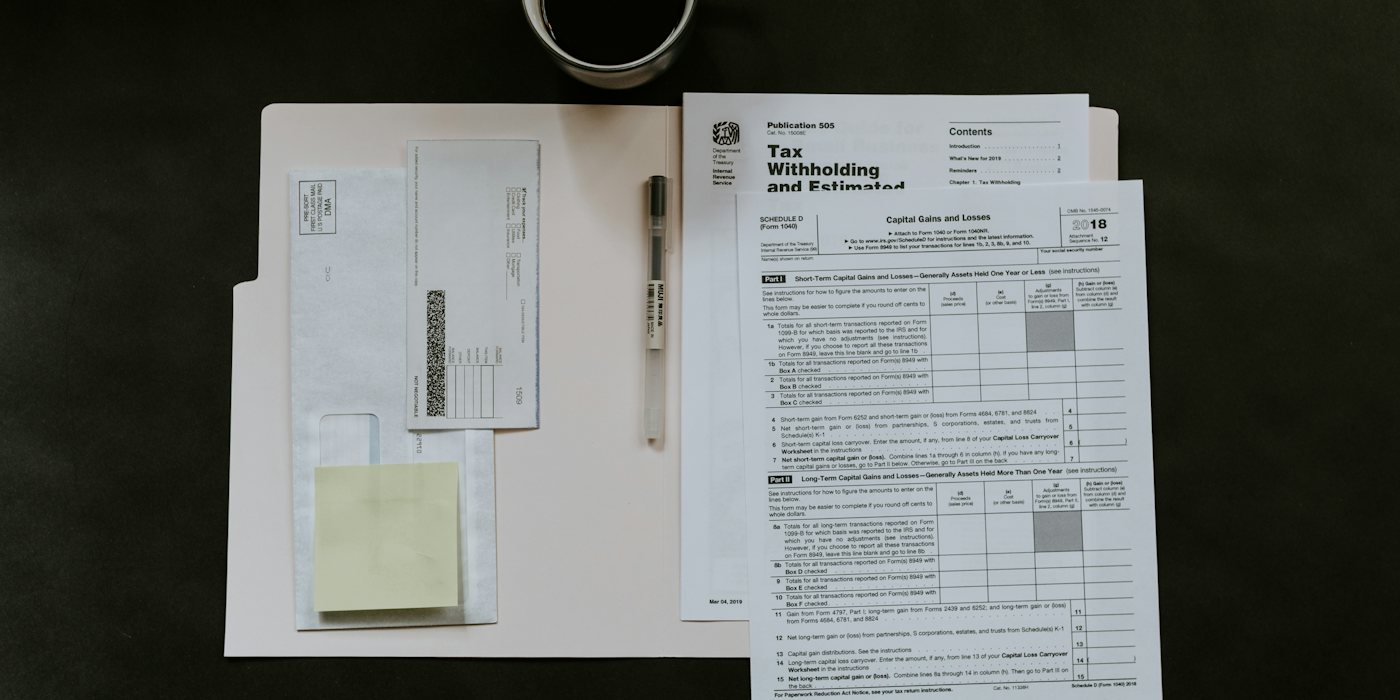
The rate above gives you pre-tax income; it does not tell you what to keep back. If you are a sole trader or a 1099 contractor, nothing is deducted at source, so a share of every payment has to be set aside for the tax bill.
Sanity checks before you quote
- If you employ people or subcontract, price them with the charge-out rate calculator rather than your own rate: their salary, overhead share and utilisation are different from yours.
- Compare your rate with the market for your skill and location, but treat the market number as a ceiling to negotiate against, not a floor to undercut. If your cost-based rate is above the market, the fix is fewer overheads or more billable hours, not a lower income target.
- Review the numbers every six months. Utilisation improves as your client base settles, and that alone can move the rate by 10–15%.