 OneTask
Published
Naming a fantasy world that holds together
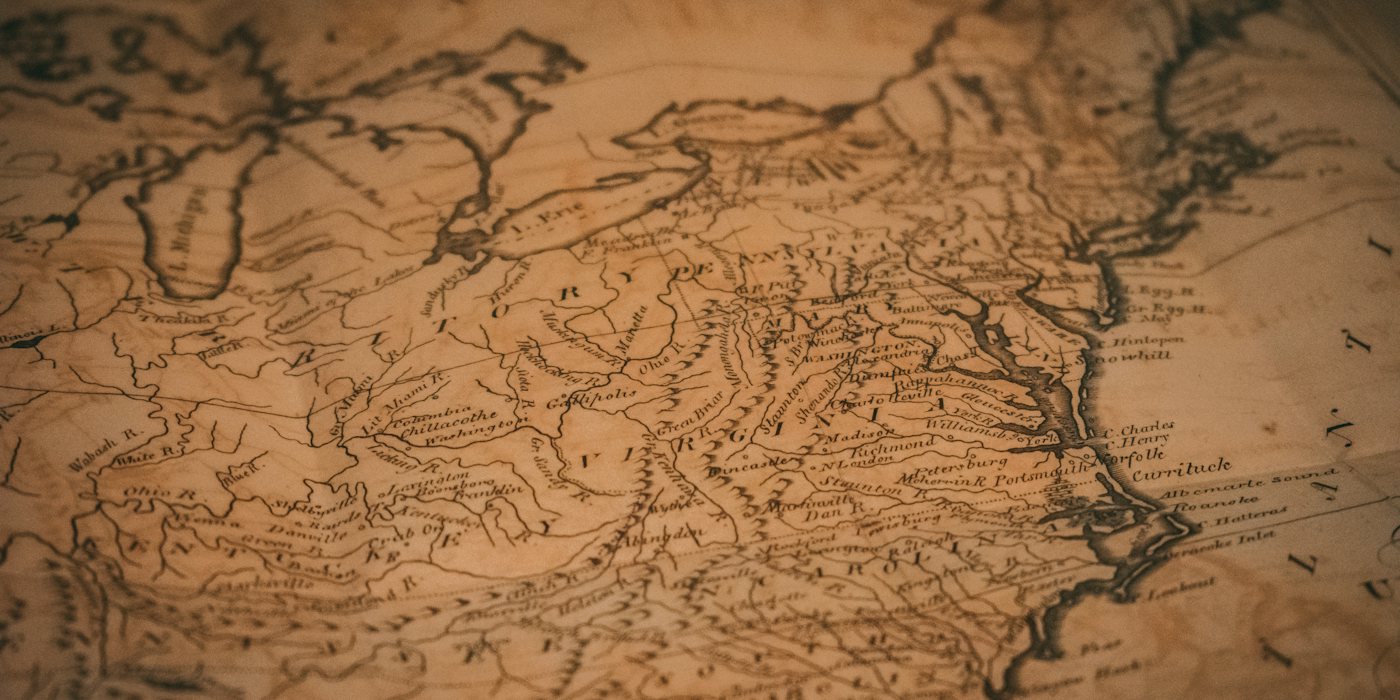
Worldbuilding stalls on names more than anything else. The map is drawn, the politics are sketched, and then the session is tomorrow and there are eleven blank labels and a tavern the party will walk into in the first ten minutes. Generators solve the blank-page problem, but a page of random names is not a world. The trick is to pick a small number of rules and let the generators fill in within them.
Decide the sound before the names
Every real naming tradition has a sound. Anglo-Saxon place names end in -ton, -ham, -wick and -bury; Norse ones in -by, -thorpe and -fjord; Latin ones in -ium and -ia. A region of your world should have the same kind of internal consistency, and different regions should sound different from each other, so a player can tell from the name alone that they have crossed a border.
Choose two or three suffixes and a handful of root words per region before generating anything. Then when the fantasy kingdom name generator offers a list, you are filtering for the ones that fit the sound rather than picking whatever looks good, and the picks will belong together.
Work from big to small
Name the kingdom first, then the towns, then the individual places within a town. Larger places tend to have older, more worn-down names; smaller and newer places are named after what is there. This gives you a natural hierarchy: the capital has a grand ancient name, the market towns are named for rivers and crossings, and the inns are named after whatever the first landlord found memorable.
The fantasy town name generator produces the middle layer, and it helps to generate more than you need and assign them by feel: the harsh ones to the border towns, the soft ones to the farming valleys. Keep a note of which region each belongs to so that the next session's improvised village fits.
The tavern is where the players actually are
More play happens in taverns than in throne rooms, so their names carry more weight than their size suggests. A tavern name does two jobs: it tells the players what kind of place it is before they open the door, and it gives them a handle to remember the session by. The fantasy tavern name generator works from the "The [Adjective] [Noun]" pattern that real pub names follow, and a quick pass through the output for tone (rough dockside inn or respectable coaching house?) is usually enough.
A trick that costs nothing: reuse. A chain of inns with the same name across three towns implies a merchant family. A tavern named after a battle implies the battle. The names generate the history.
Keep a list
The most common failure is not a bad name but a forgotten one. The village the party passed through in session two will be asked about in session nine, and "it was called something with a W" is not an answer. A single page of names, grouped by region, with one line on what each place is, is the most valuable worldbuilding document you will keep. Generate in batches, prune to what fits, and write down the rest for later.
The short version
Set the sound for each region first, generate from kingdom down to tavern, filter for what fits the rules, and keep the list. Consistency is what makes a made-up name feel real, and consistency is a rule, not a talent.