 OneTask
Published
How much concrete, gravel and paint to order for a DIY job
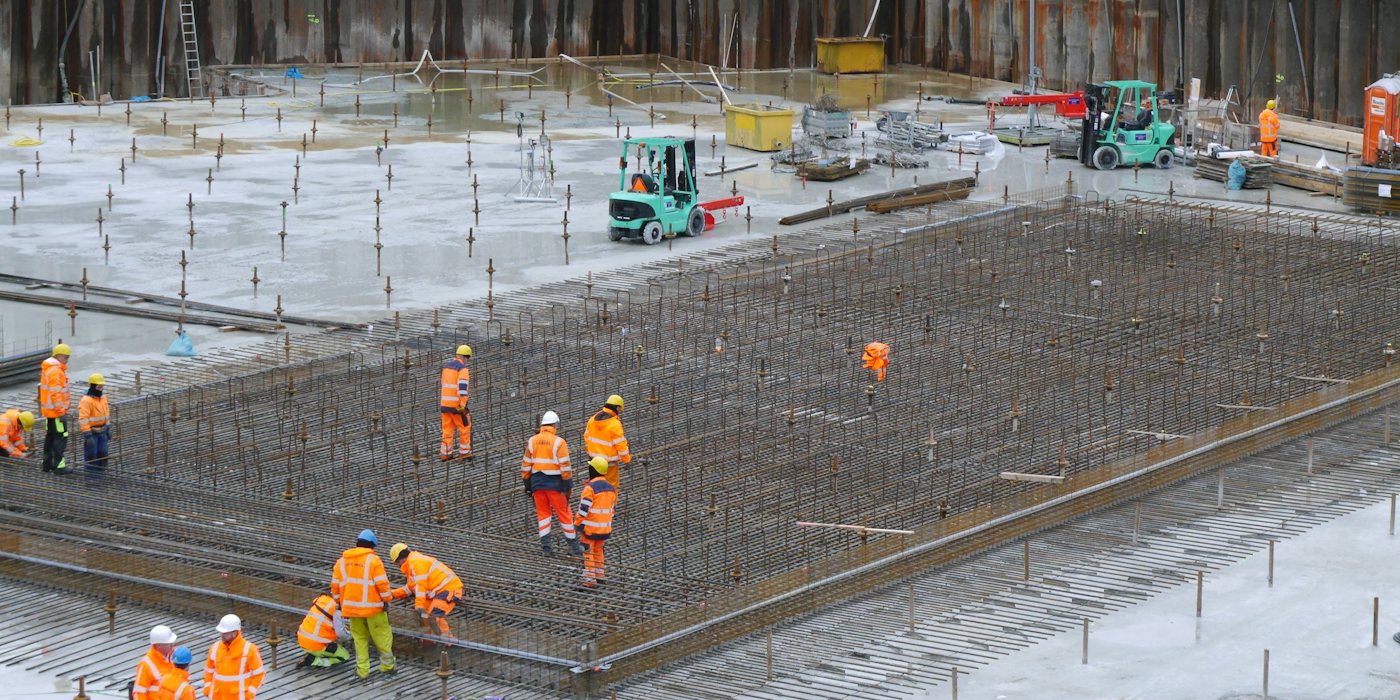
The expensive mistakes in a DIY project are rarely the tools; they are the second delivery charge when you ran short, or the bags that sit in the shed for years because you doubled the order to be safe. Every material calculation is the same three steps: measure the area or volume, apply the coverage the product actually gives, and add a sensible waste margin.
Measure in one unit and stick to it
Most problems start with mixed units: a plan in millimetres, a tape in feet, a bag labelled in litres. Pick metric for the calculation and convert anything else at the start. The cm to inches converter and the square metres to square feet converter cover the two conversions that come up most, and a room volume calculator gives cubic metres from three dimensions when you need volume rather than area.
Concrete: volume, then bags
Concrete is ordered by volume. A slab is length × width × depth; for a 3 m × 4 m patio at 100 mm that is 1.2 m³. Then it matters whether you are mixing from bags or ordering ready-mix: a 25 kg bag of dry mix makes roughly 0.012 m³, so that slab is about 100 bags, which is the point where ready-mix becomes the sensible option. The concrete slab calculator does the volume and the bag count for a given bag size, and the general concrete calculator handles footings, columns and odd shapes.
Fence posts are different: the volume is the hole minus the post. The concrete post hole calculator works it out per hole and multiplies by the number of posts, which is what the fence calculator gives you along with the panel and rail count for a run of a given length.
Add 10% to concrete. Ground is never perfectly level and a short pour is far worse than a bag left over.
Gravel and mulch: depth is everything
Gravel, mulch and bark are sold by the bulk bag (usually around 0.7–0.9 m³) or by the tonne, and the quantity depends entirely on depth. A gravel drive wants 50 mm over a compacted base; a decorative border wants 30–40 mm; mulch on a bed wants 50–75 mm to actually suppress weeds. Double the depth, double the order.
The gravel calculator converts area and depth to volume and then to tonnes for the density of the stone, and the mulch calculator does the same for organic mulches. If you are filling planters, the raised bed calculator gives the soil volume for a bed of a given size, which is always more than it looks.
Add 5–10% for settling and for the edges you did not measure.
Paint: coverage, coats and the doors you forgot
Paint tins state coverage in square metres per litre, typically 10–14 m² for emulsion. The calculation is wall area (perimeter × height) minus doors and windows, times the number of coats, divided by the coverage. Two coats is the honest number for any colour change; new plaster drinks a mist coat on top.
The paint calculator takes room dimensions, openings and coats and returns litres and tins. Round up to whole tins, but not to the next size up: leftover paint is useful for touch-ups only for a couple of years.
Flooring and decking: pattern waste
Boards and tiles need a cutting allowance on top of the area, and it depends on the pattern. Straight-laid planks want about 5–7%; diagonal or herringbone want 15% or more because of the corner cuts. The flooring calculator and the decking calculator both take the area and a waste percentage and return the number of packs or boards, so you can compare a straight lay against a diagonal before deciding.
The short version
Measure once in metric, use the coverage on the product rather than a guess, and add 10% for concrete, 5–10% for aggregates and 5–15% for anything you cut to fit.