 OneTask
Published
Orc names that sound right, and how to build your own
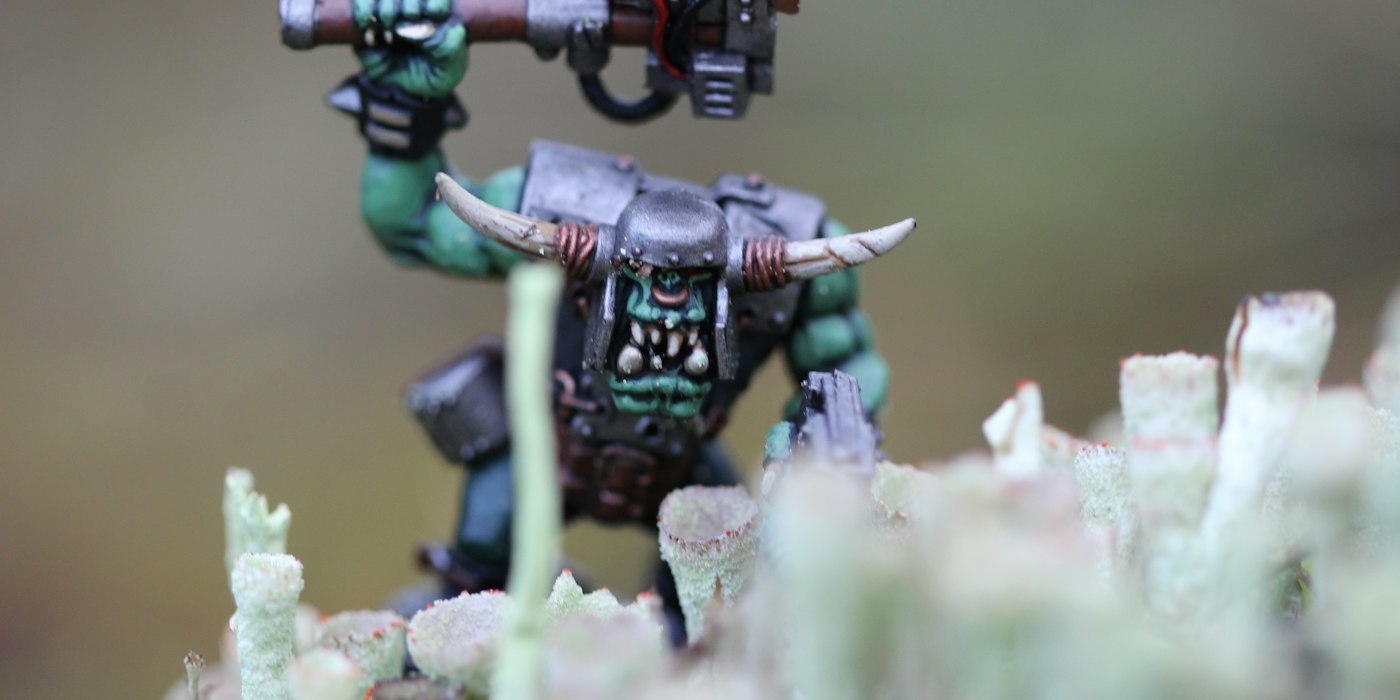
Every fantasy table needs orcs, and every orc needs a name. The trouble is that the first few come easily, Grak, Thog, Urg, and by the tenth they all sound the same. A warband where every member is a one-syllable grunt is hard for players to tell apart and harder to care about. A little structure goes a long way.
The sound of an orc name
Orc names feel orcish because of their sounds, not their meaning. Most share a few traits.
Hard consonants. G, K, R, Z and the "gr", "kr", "thr" clusters do most of the work. Gruzhak, Krom, Thrukk.
Back vowels. U and O sound heavier than I and E. Urzog sounds more orcish than Irzeg.
Closed syllables. Ending on a consonant, especially a hard one, makes a name blunt: Gorbag, Mog, Durk. Names ending in a vowel feel softer and more elvish.
Doubled letters and apostrophes, sparingly. Thrukk and Ug'rash read as rough, but if every name has an apostrophe, they stop meaning anything.
A useful recipe is a hard opening cluster, a back vowel and a hard close: Gr + u + mak, Th + o + rg, Z + u + gash.
Two syllables are the sweet spot
One-syllable names are fine for minions, but leaders and recurring characters need more weight. Two syllables give enough room for a name to be distinct and still punchy. Three can work for an ancient chieftain or a shaman, where a slightly ceremonial sound fits.
| Role | Shape | Example |
|---|---|---|
| Grunt, minion | One syllable | Grak, Mub, Dorr |
| Named warrior | Two syllables | Gruzhak, Morgha |
| Chieftain, shaman | Two or three, with a title | Warchief Urzog Nine-Scars |
Female orc names
Female orcs are often given the same names with an "a" tacked on, which tends to sound like an afterthought. A few softer sounds help without losing the edge: an "sh" or "zh", or a final -a or -ha after a hard middle. Morgha, Shazka, Ghorza, Rukha. They still sound like they belong to the same language as the male names, which is the point.
Clans and earned titles
Orc societies in most settings are tribal, so a name alone rarely stands alone. Two additions make characters memorable and tell players something about them.
Clan names are usually a vivid compound: Red Fang, Bloodmaw, Broken Tusk, Black Hand. They work as a shorthand for a whole group: "the Broken Tusk are back" carries more than "some orcs are back". Give each clan a colour, an animal or a body part and a weapon, and the clans start to feel distinct.
Earned titles are what make a single orc memorable: Skullsplitter, Nine-Scars, Bonebreaker, the One-Eared. A title says how the orc became known, and it is an easy hook for a story. Why only one ear? Who were the nine scars from?
A full formal name might combine all three: Gruzhak Skullsplitter of the Red Fang. In play, the party will shorten it to whichever part sticks.
Keeping a warband distinct
When a group of orcs appears at once, vary the names on purpose:
- Different opening letters. Gruzhak, Mob, Thrukk and Ugash are easy to tell apart. Gruk, Grak and Grok are not.
- Different lengths. Mix one-syllable and two-syllable names.
- One standout title. Only the leader, or the one the players will remember, needs a title.
Write the names down. Players will ask about "the one with the axe" three sessions later, and you will want to know who that was.
Half-orcs and drow
Neighbouring races in the same setting should sound different, or the world blurs together.
Half-orcs sit between two cultures. A half-orc raised among humans might have a plain human first name and an orcish surname, or the other way round: Kell Ironjaw, Marta Gruzhka. That mix tells a story on its own, about where they grew up and which side of their family they claim.
Drow are the opposite of orcs in sound. Their names are long, flowing and full of soft consonants, with apostrophes and sibilants: Vashtira, Ilzethar, Ssivrae. Drow society is usually matriarchal and organised into noble houses, so family names carry rank: Matron Ssivrae of House Zhal'kith. Putting an orc and a drow name side by side makes the contrast between the two cultures obvious before either character speaks.
Generate a batch
The orc name generator produces names with clan names, earned titles and warband names, with a female, male or either option. For mixed-heritage characters, the half-orc name generator blends human and orcish names, and the drow name generator builds house names and titles for the dark elves. More name generators for other peoples and places are in the fantasy section.